
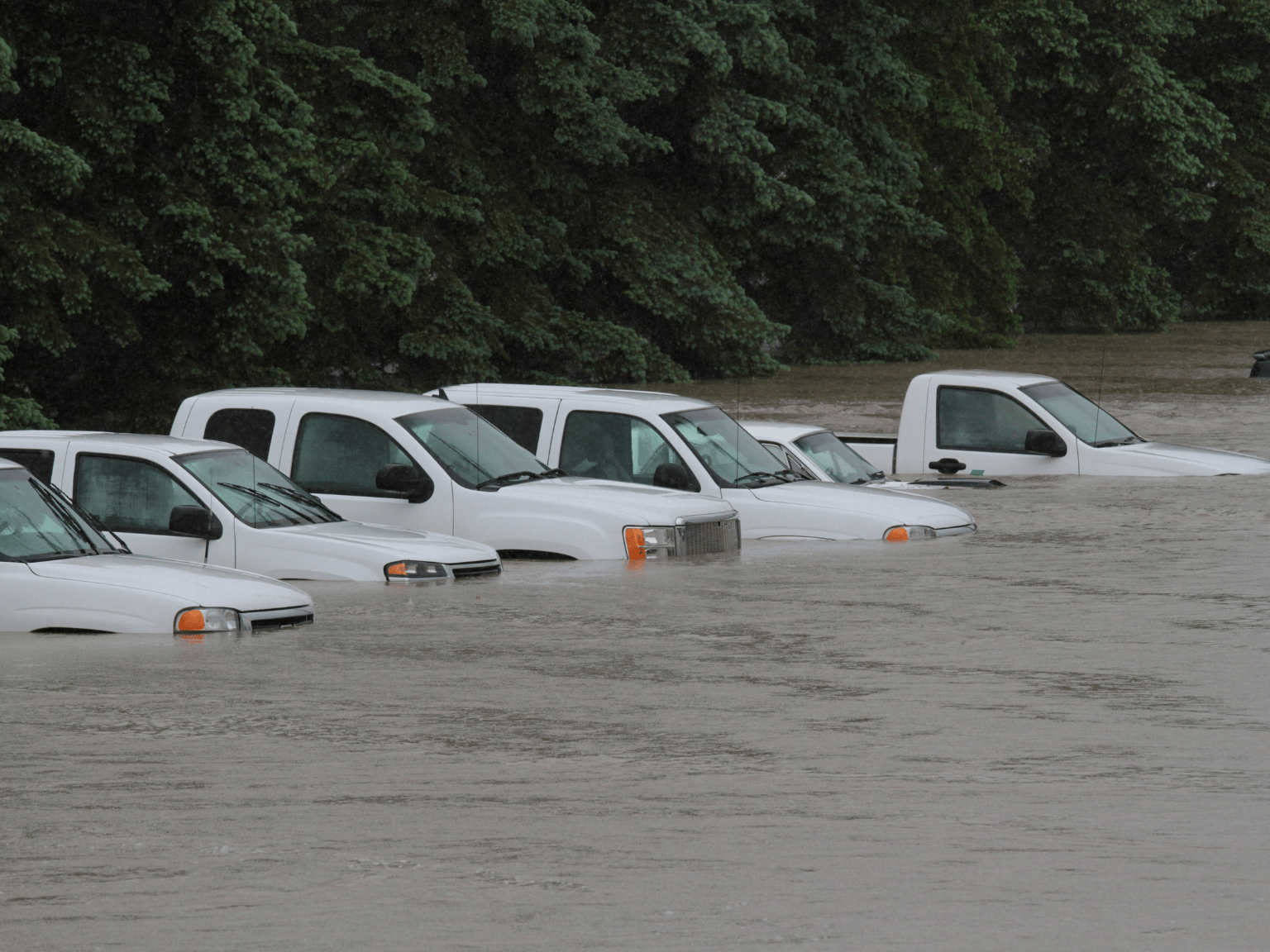
Heavy rain and flooding can leave all sorts of surprises behind and damage to your car might be one of them. When a vehicle is submerged, even partially, moisture and debris can infiltrate components that were never designed to handle water. Even if your car seems fine, floodwater can create problems that take days or even weeks to show up.
Here’s how to spot the early signs of flood damage before they turn into major trouble:
The Signs to Look Out For
Exterior
1. Mud and Silt Residue: Floodwater carries mud, sand and debris that settle into places a car normally keeps clean. If you spot dried mud or gritty buildup under trim, in wheel arches or deep in suspension components, it’s a strong sign the vehicle has been submerged.
2. Water Lines or Staining: As water rises and falls, it can leave faint or dark tide marks along doors, panels, bumpers and lights. Any horizontal line that doesn’t match typical road grime should raise suspicion.
3. Corrosion: Flood exposure speeds up rusting, especially in places that wouldn’t usually corrode quickly. Look for oxidation around hinges, bolts, brackets and metal trims and watch for bubbling or lifting paint. A newer car showing rust in unusual spots is a major red flag.
Interior
4. Damp or Musty Smells: A musty, mouldy or damp smell inside the cabin is one of the clearest signs of water exposure. Odours often linger in the padding and foam long after a quick clean, sometimes masked with heavy air fresheners.
5. Water Stains on Upholstery: Subtle stains can be just as revealing as obvious ones. Check the seat fabric, carpet edging, door trims and seat belts for blotches, tide marks or uneven fading. Overly scrubbed or mismatched areas may indicate an attempt to hide damage.
6. Moisture Under Carpets and Mats: Carpets can appear dry while the underlay is damp or mouldy. Lift the mats and feel for spongy insulation, discolouration or rust on the floor pan. Floodwater tends to settle in the lowest parts of the car.
7. Foggy or Condensation-Trapped Lights & Gauges: Moisture inside the instrument cluster, interior lights or dashboard gauges is another strong indicator of flood damage. If the car has been sitting in dry weather and the condensation hasn’t cleared, it’s likely from water intrusion, not humidity.
Electrical & Mechanical Warning Signs
8. Flickering or Faulty Electronics: Electronics are highly sensitive to water, so test everything, including power windows, interior lights, infotainment screens, reverse cameras and sensors. Flickering, inconsistent behaviour or sudden failures often point to moisture or corrosion in wiring and connectors.
9. Unusual Dashboard Warning Lights: If the dash randomly lights up like a Christmas tree for systems like ABS, airbags, traction control, engine management or stability control, be cautious. Water in wiring or modules can trigger fault codes that won’t be fixed with a simple reset.
10. Engine or Transmission Irregularities: Rough idling, misfires, hesitation, strange noises or slipping gears can indicate water has entered the intake, engine or transmission. Internal water damage is often severe and very costly to repair.
Under the Bonnet
11. Mud or Silt in Hard-to-Reach Areas: Floodwater brings dirt and debris with it. Mud or silt under the battery tray, around wiring looms, behind engine mounts or inside the air filter housing is a strong sign the car has been submerged, as these spots don’t normally collect debris.

12. Wet or Rusty Components: Moisture can linger under the bonnet long after flooding. Check for corrosion on battery terminals, fuse boxes, connectors, bolts, brackets and engine accessories. A damp or warped air filter is a red flag. If a relatively new car shows rust in several places, be cautious.
13. Contaminated Fluids: Water mixing with engine fluids leaves obvious signs. Milky oil, cloudy transmission fluid or water in the air intake all suggest water has entered where it shouldn’t, potentially causing major internal damage.
Under the Vehicle
14. Hidden Dirt and Debris: The underside is one of the hardest places to clean after flooding, so it often reveals what the rest of the car hides. Check chassis rails, suspension arms, brake lines and the exhaust for mud, silt or uneven rust.
15. Unusual Rust Patterns: Flood-related rust tends to appear in patchy clusters, in unusual spots like inside cavities or across multiple components at once. If the underside looks prematurely aged or inconsistently corroded, the car may have been exposed to flood water.
How to Verify a Car’s History
While visual inspections are helpful, paperwork and background checks can confirm your suspicions. Consider requesting a PPSR (Personal Property Securities Register) report to find out if a car has been:
- Written off as water-damaged
- Recorded as a statutory write-off
- Classified as an insurance repairable write-off
Additionally, review the logbooks as well-kept service records can reveal whether mechanics have previously flagged water-related issues or replaced electrical or engine components.
When asking questions to the seller, be wary of vague answers, pressure to rush the sale or a price that seems too good to be true. If the seller’s story doesn’t match what you’re seeing, trust your gut. A pre-purchase inspection from a trusted mechanic is always worth it if you want extra reassurance.
What to Do If You Suspect Flood Damage
If you’re checking out a used car and the signs of flood exposure are obvious or even mildly suspicious, it’s usually safest to walk away. Flood-damaged cars can hide problems that don’t appear until weeks or months later and by then, you’re the one footing the bill. Even if the purchase price seems like a bargain, the long-term costs can far outweigh the savings.
What if There is Only Minor Flood Damage?
Not all flood exposure means the car is an instant write-off. Minor water exposure, like shallow pooling around the wheels, may leave only cosmetic issues that can be cleaned or repaired. Interior moisture can sometimes be addressed if caught early, before mould or corrosion sets in.
Once water makes its way into major mechanical or electrical components, the repair bill can quickly approach (or exceed) the value of the vehicle.
Should I Contact an Expert?
Even if you know what you’re looking for, flood damage can be sneaky. Sellers may clean and detail a car so thoroughly that you may not even notice red flags.
If you are unsure about a car’s condition or you have found damage in your own vehicle, getting a professional opinion is always the smartest move. At Scientific Motor Body Works, our panel beaters and repair specialists can assess flood-related issues and help you understand the extent of the damage. Contact us today for a comprehensive inspection and advice you can trust.